Analytical Instruments
Analytical & Evaluation Technologies
To guarantee the quality of our wide variety of products, we maintain a dedicated team of specialists and state-of-the-art analytical equipment. Leveraging technical expertise accumulated over many years as a high-purity material manufacturer, we perform sample preparation for various evaluations—including quantitative analysis of trace metal elements, gas component analysis for oxygen and nitrogen, as well as physical property analysis such as X-ray crystal structure analysis and surface analysis using electron microscopes.
All analytical operations are conducted in a dedicated analysis building equipped with precise temperature and humidity controls as well as dust-removal systems.
For ultra-trace analysis, the entire workflow—from sample preparation to measurement—is carried out inside a cleanroom to eliminate any environmental contamination.
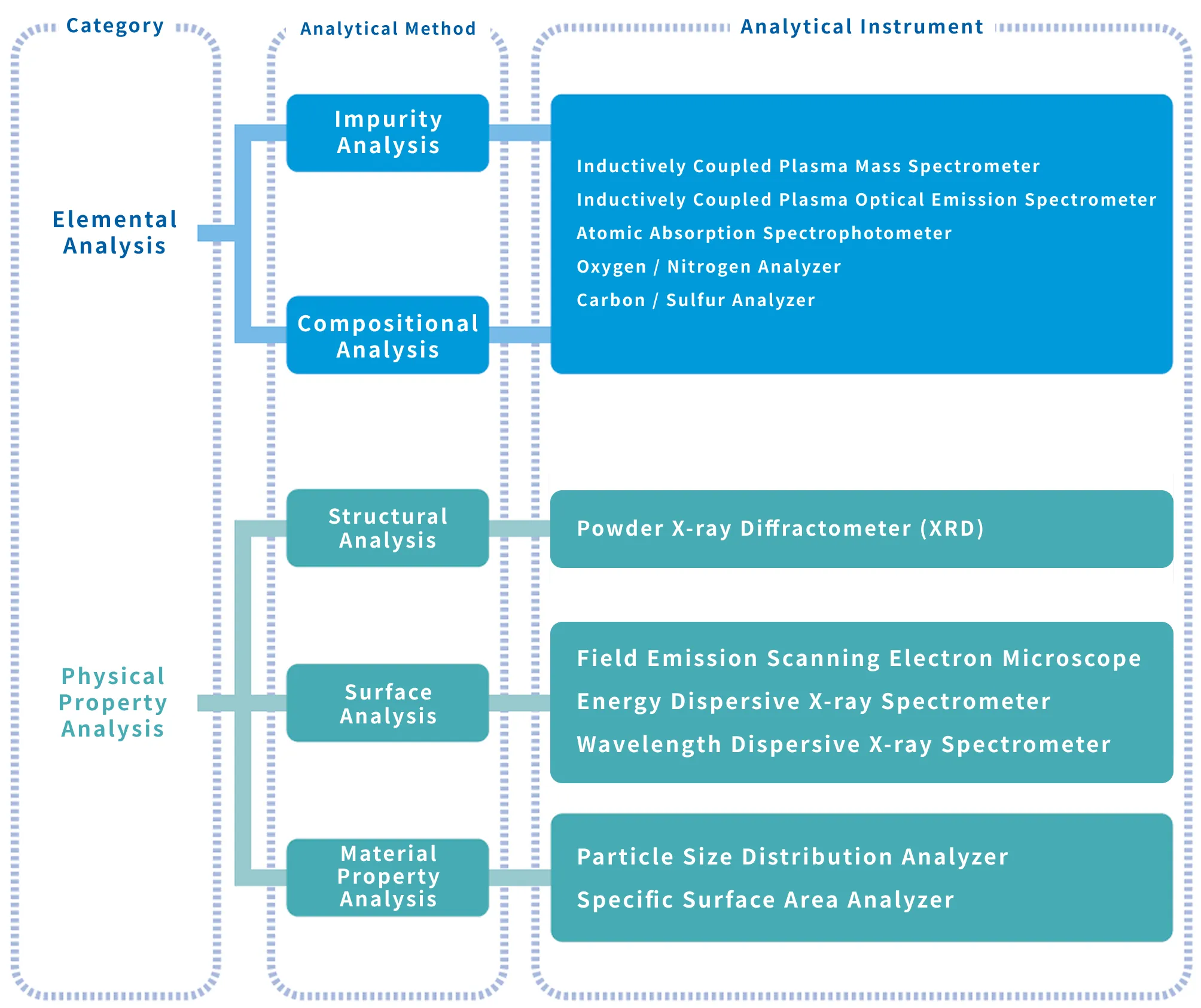
Main equipment
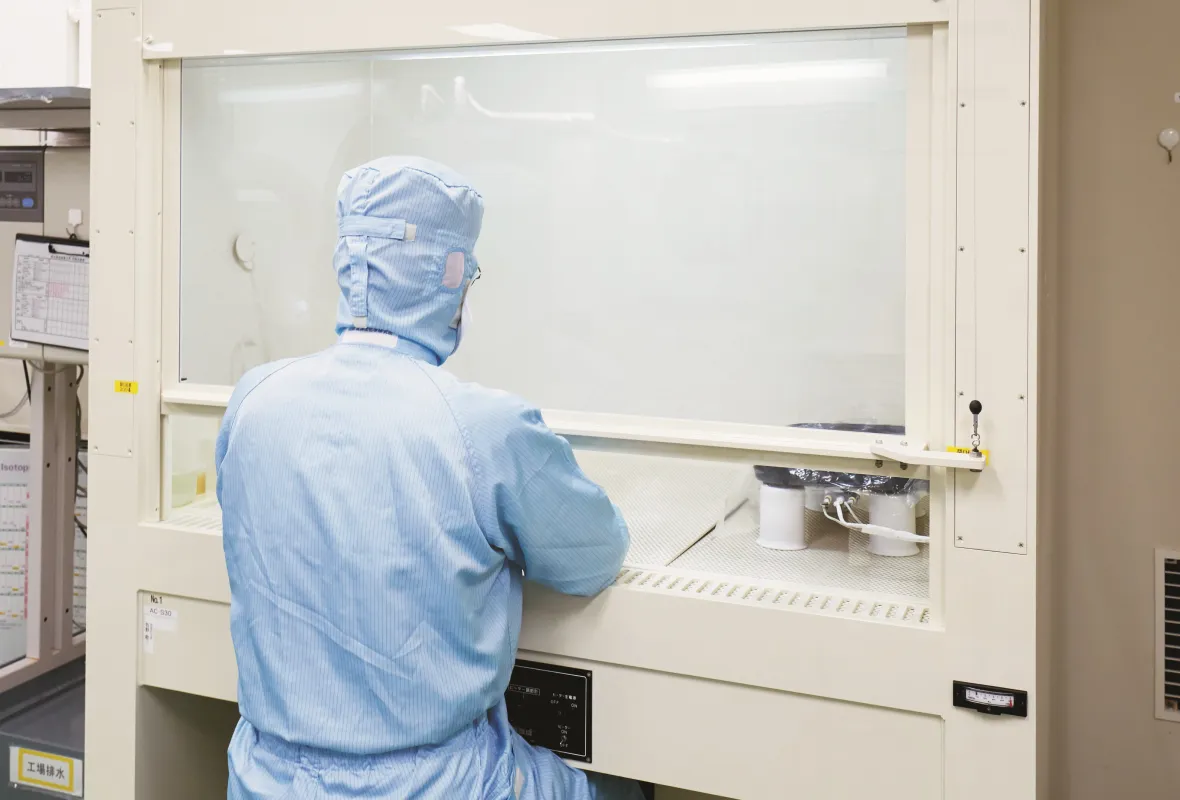
Clean room and clean draft
When analyzing high-purity products, pretreatment and analysis are performed in a special environment.
* Class 100 indicates that the number of dust particles 0.5μm or larger contained in 1 cubic foot (approx. 28L) is 100 or less.
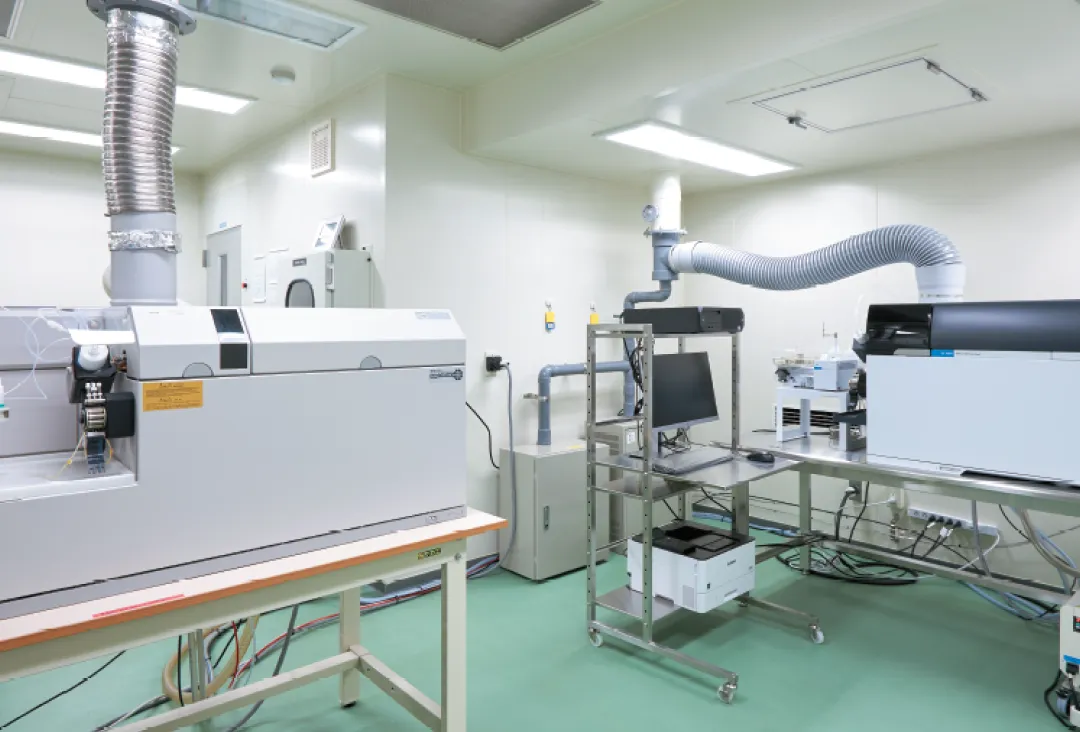
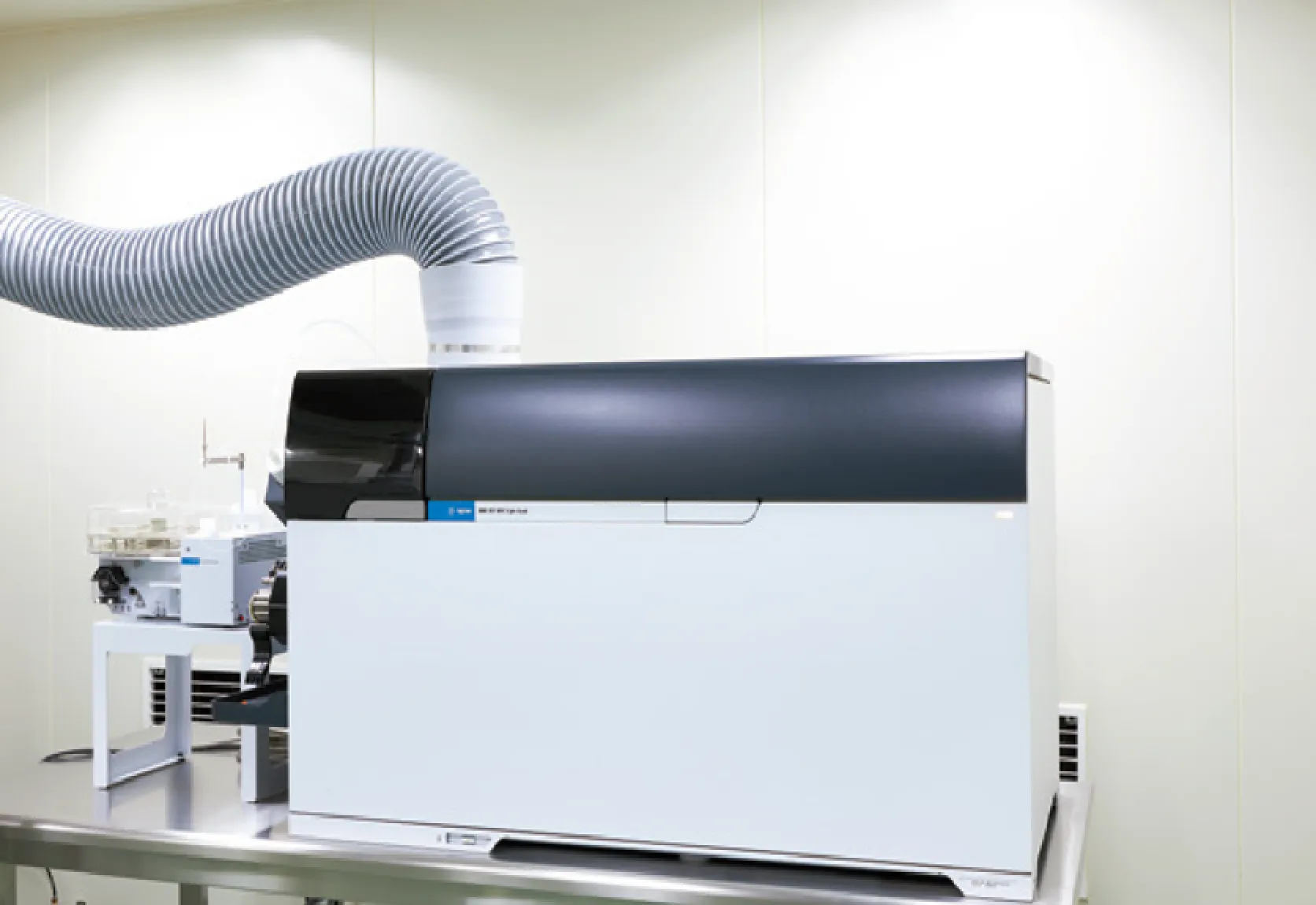
Inductively Coupled Plasma Mass Spectrometer ICP-MS
Measurement principle
This is a high-sensitivity inorganic element analyzer that sprays a solution sample into high-temperature argon plasma and performs mass spectrometry of ionized elements. It can simultaneously measure most elements on the periodic table, with a measurement range extending from ppb to ppt concentration levels.

Inductively Coupled Plasma Optical Emission Spectrometer ICP-OES
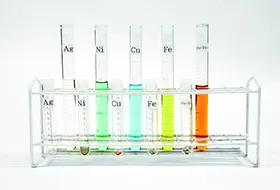
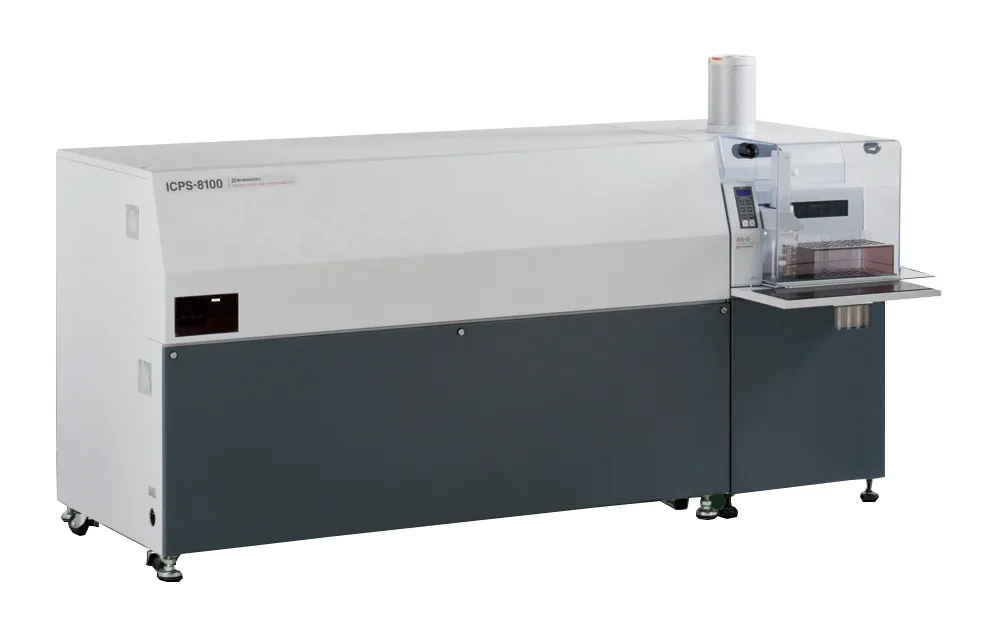
This instrument excites a sample—previously dissolved in solution using reagents such as acids—within an internal plasma. It disperses the resulting emitted light using a spectrometer and measures the spectrum. Since light wavelengths are characteristic of specific elements and light intensity is proportional to the amount of the element present, the instrument enables highly sensitive qualitative and quantitative analysis. It features a dynamic range spanning four to five orders of magnitude and allows for the simultaneous quantification of multiple elements.
We utilize this instrument for ppm-level analysis of metallic impurities to ensure product purity, as well as for the quantification of major constituent elements to verify the composition of alloys and other materials.
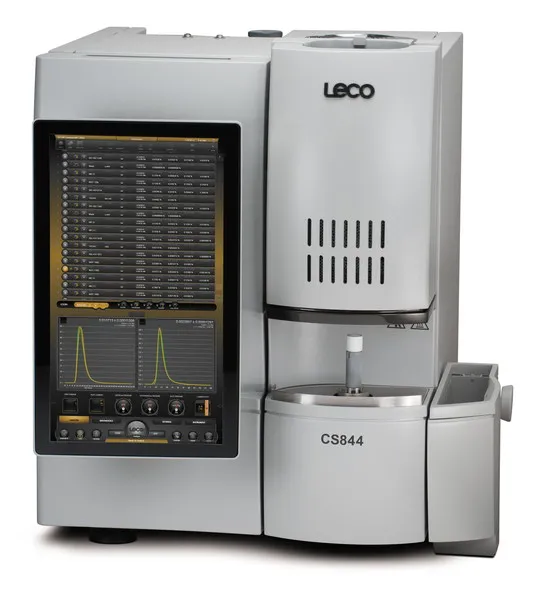
Carbon/sulfur analyzer
Measurement principle
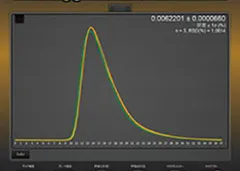
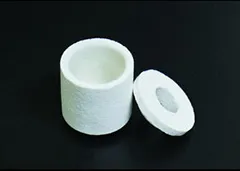
Solid samples and combustion accelerators are placed in a ceramic crucible, and the sample is combusted using high-frequency current in a high-concentration oxygen stream.
This instrument performs quantitative analysis of carbon and sulfur by measuring the spectrum of gas components in the sample using an infrared detector.
X-ray diffractometer XRD
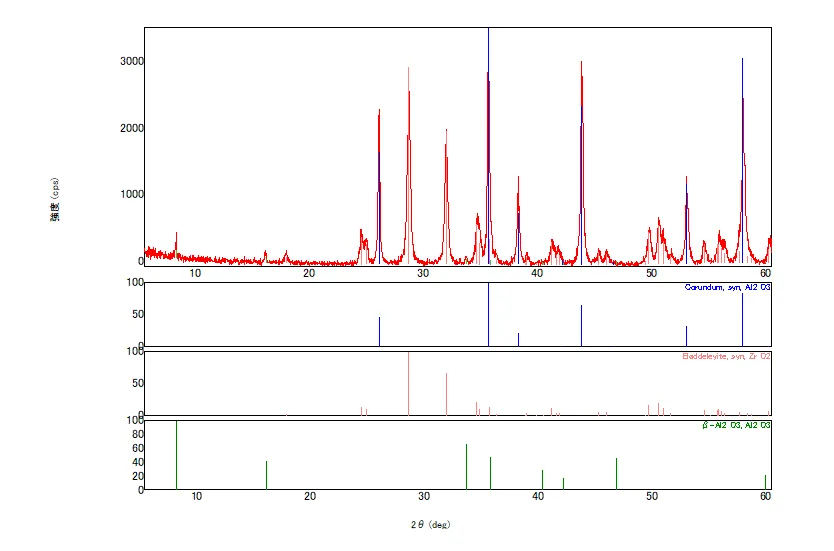
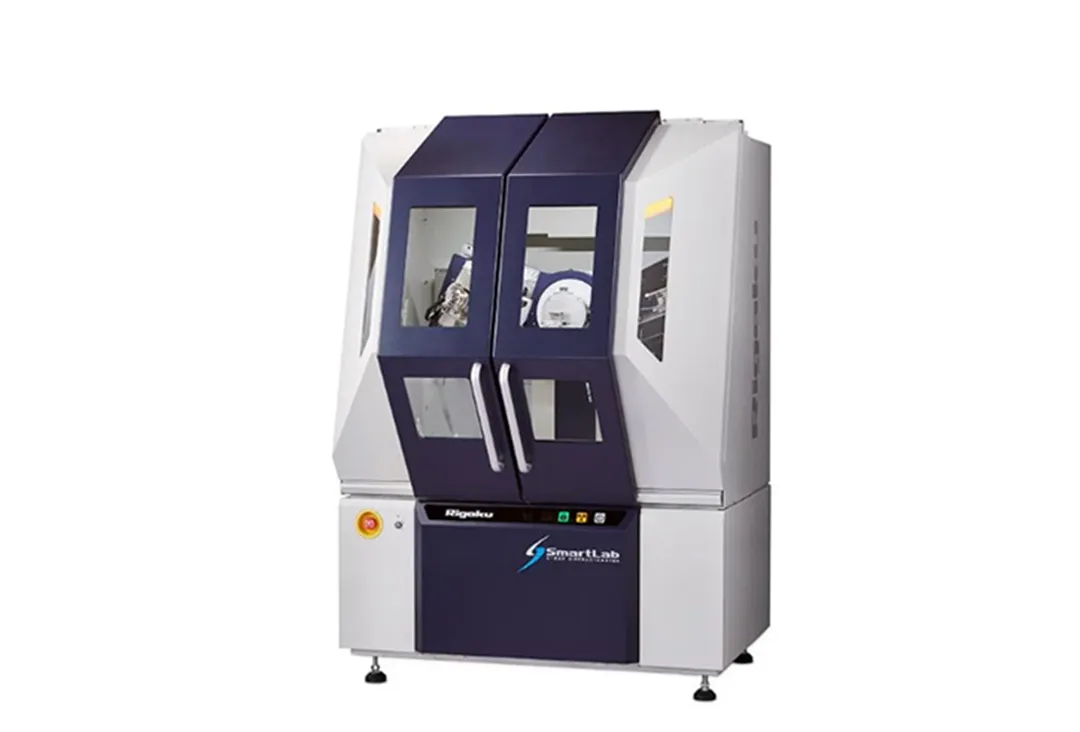
When X-rays are irradiated onto powder or solid samples, diffracted X-rays are detected from crystals within the sample.
This instrument performs qualitative analysis (identification) by comparing measured data with standard data regarding the position and intensity of diffracted X-rays.
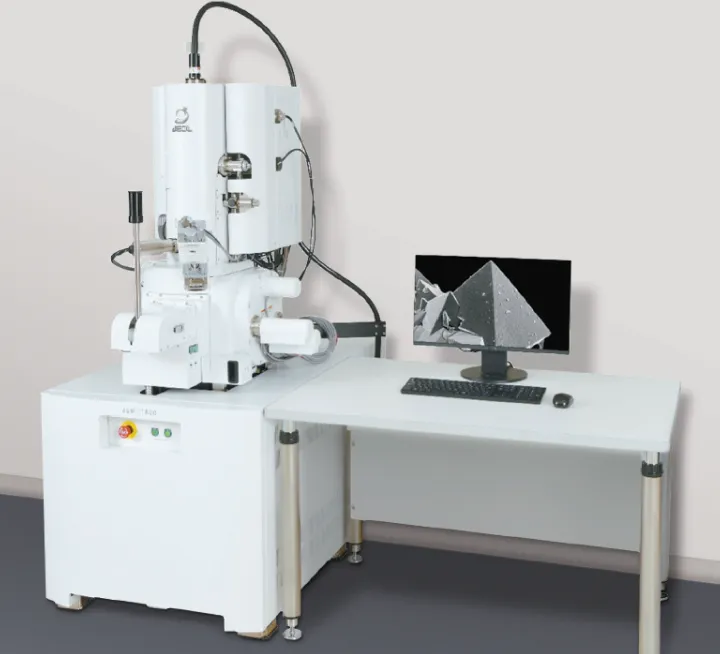
Field Emission Scanning Electron Microscope FE-SEM
This instrument irradiates the sample with a fine incident electron beam and creates images using emitted secondary electrons to observe surface irregularities and sample shape and size.
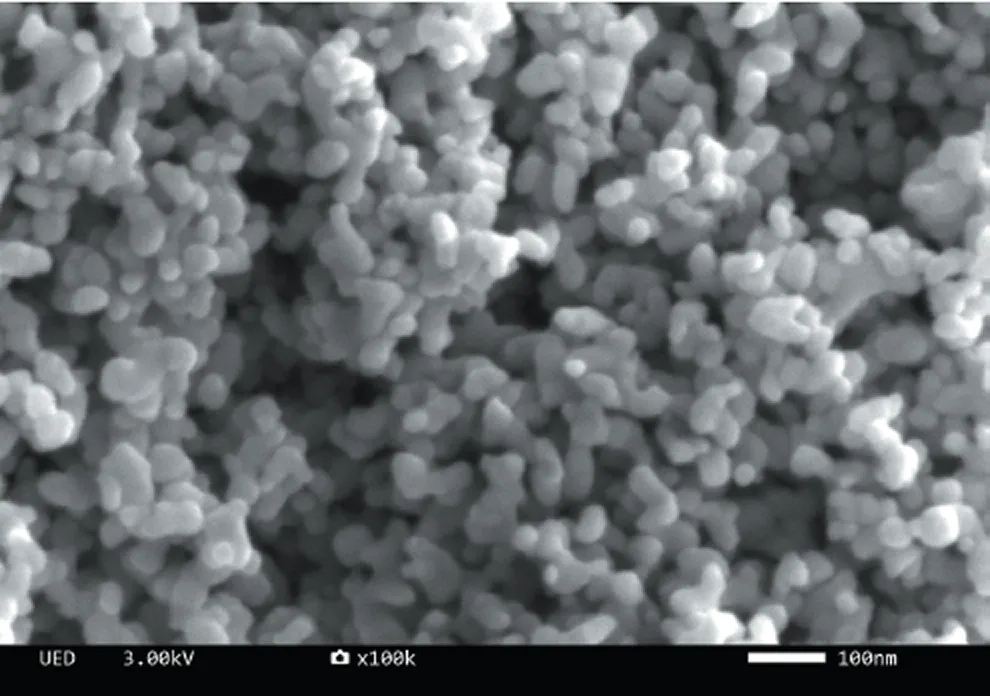
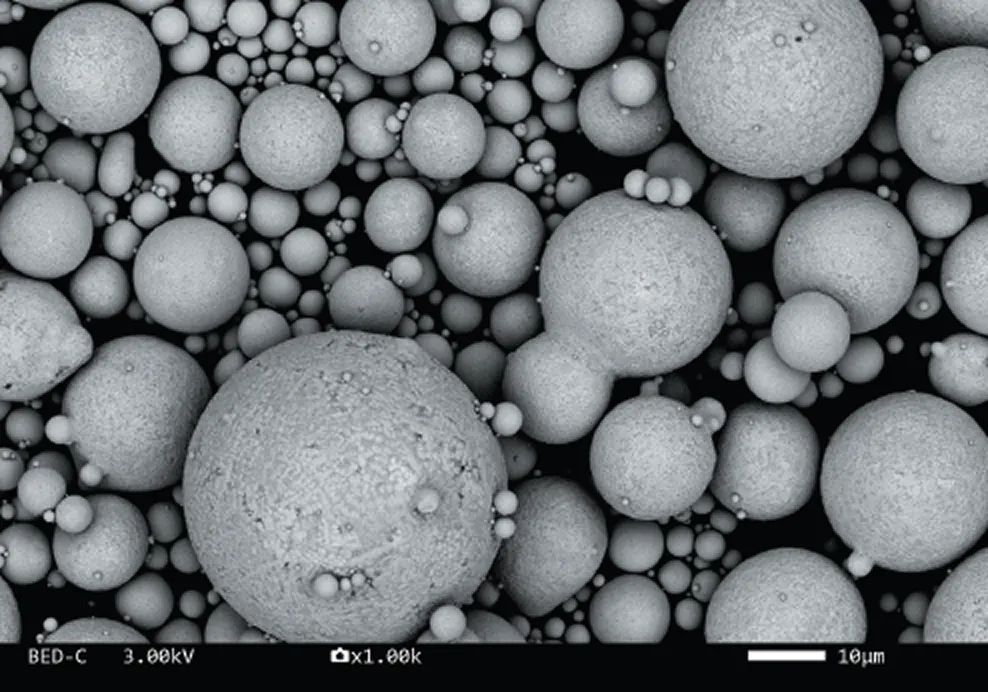
Example of SEM observation of powder
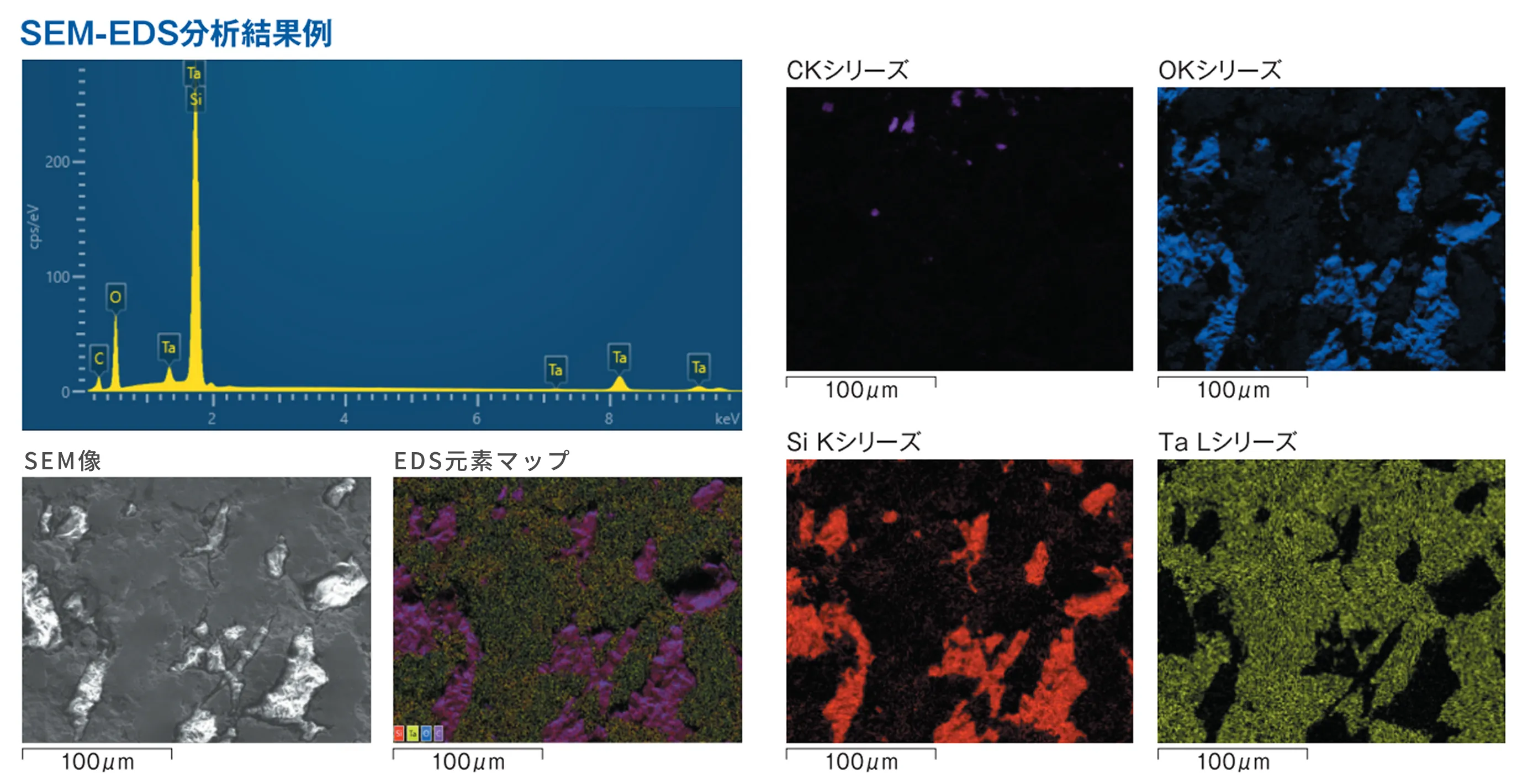
Energy Dispersive X-ray Spectrometer EDS
When a fine incident electron beam is irradiated onto a sample, various electrons and electromagnetic waves are emitted from the sample. This instrument performs elemental analysis and mapping analysis using the energy of emitted characteristic X-rays.
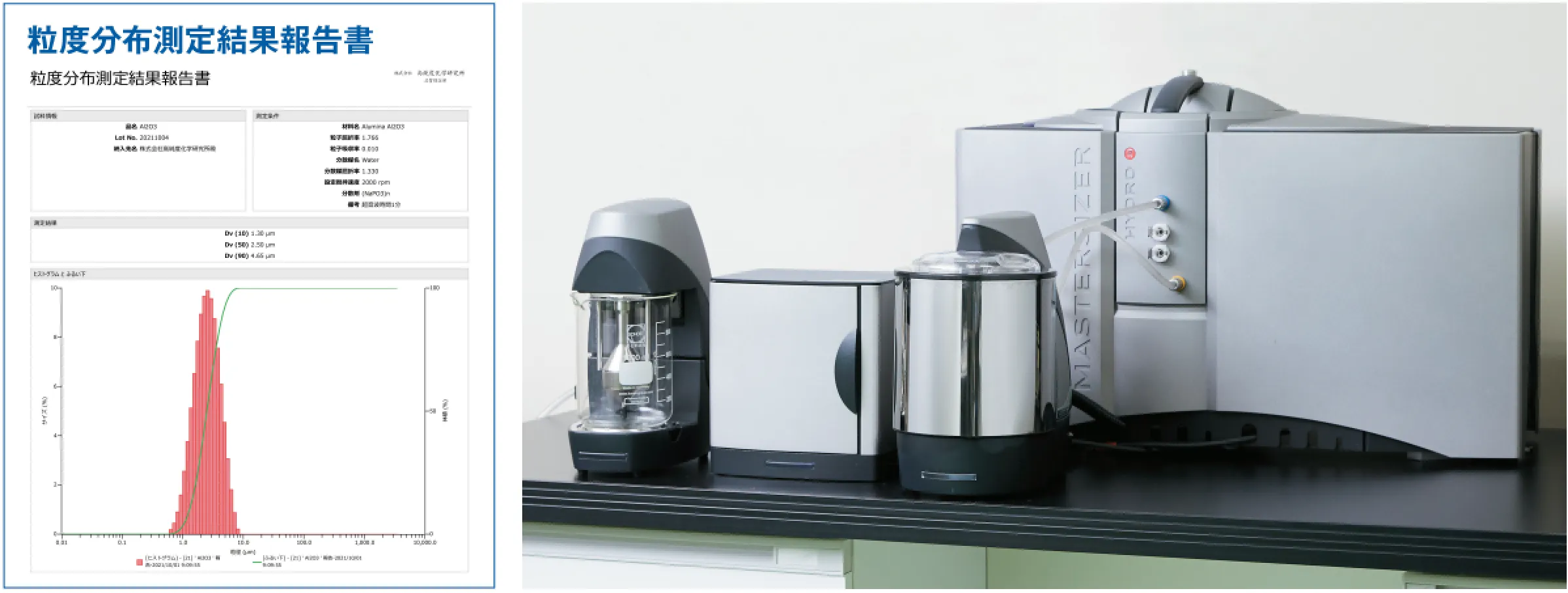
Particle size distribution analyzer
When laser light is irradiated onto powder samples dispersed in solution, diffraction/scattering phenomena occur.
Since this light intensity distribution depends on particle size, this instrument measures particle diameter from this phenomenon.
The diffraction/scattering theory is calculated on the assumption that the sample particles are perfect spheres.
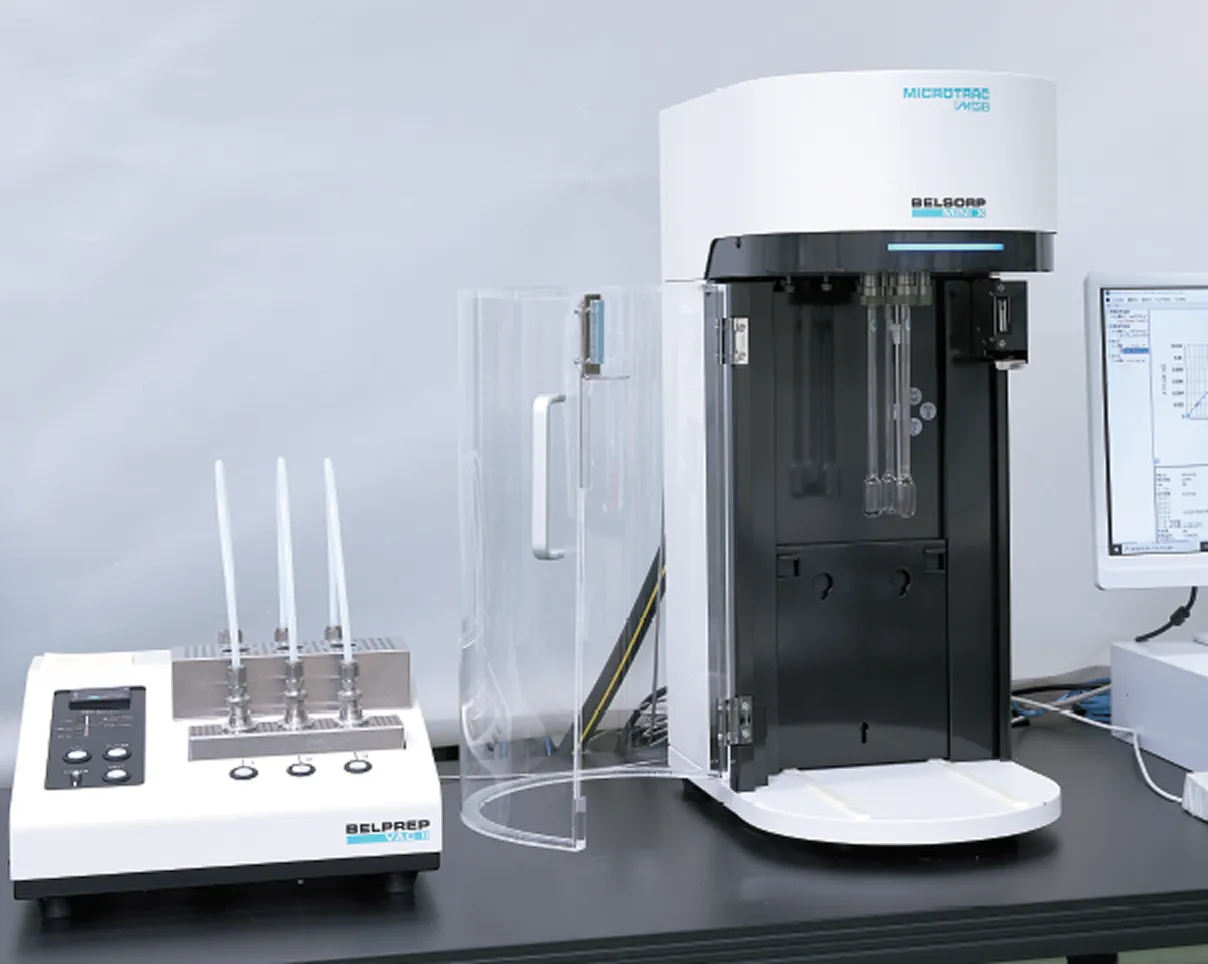
Specific surface area measuring device (BET)
This instrument measures surface area per unit mass by utilizing the physical phenomenon of gas adsorption onto sample surfaces.
It can determine the surface area of a wide variety of powder samples, including raw materials for PVD processes and inorganic materials such as alloys and oxides.
Even if sample volumes are identical, specific surface area values increase with greater surface porosity or finer particle sizes; consequently, powders may exhibit different characteristics.
The measurable specific surface area range starts at 0.01 m²/g, and the system supports vacuum heating temperatures of up to 400°C for sample pretreatment.