
Oxides and Complex Oxides
Leveraging our technology cultivated through manufacturing high-purity sputtering targets, we produce high-purity oxide sintered bodies and oxide powders in various compositions.
Secondary battery materials
We handle various lithium-based complex oxides used as cathode materials, anode materials, and solid electrolytes for secondary battery research.
Examples of Lithium-Based Complex Oxides
| Cathode materials | Solid electrolytes | Anode materials |
|---|---|---|
| LiCoO₂ | Li₃BO₃ | LiNbO₃ |
| LiFeO₂ | Li₃PO₄ | Li₂TiO₃ |
| Li₂MnO₃ | (Li,La)TiO₃ | Li₄Ti₅O₁₂ |
| LiFePO₄ | Li₂B₄O₇ | |
| LiCoPO₄ | Li₇La₃Zr₂O₁₂ | |
| LiMnPO₄ | Li₁.₅Al₀.₅Ge₁.₅P₃O₁₂ | |
| LiMn₂O₄ | ||
| Li(Ni,Mn,Co)O₂ | ||
| Li₃V₂(PO₄)₃ |
LiCoPO₄
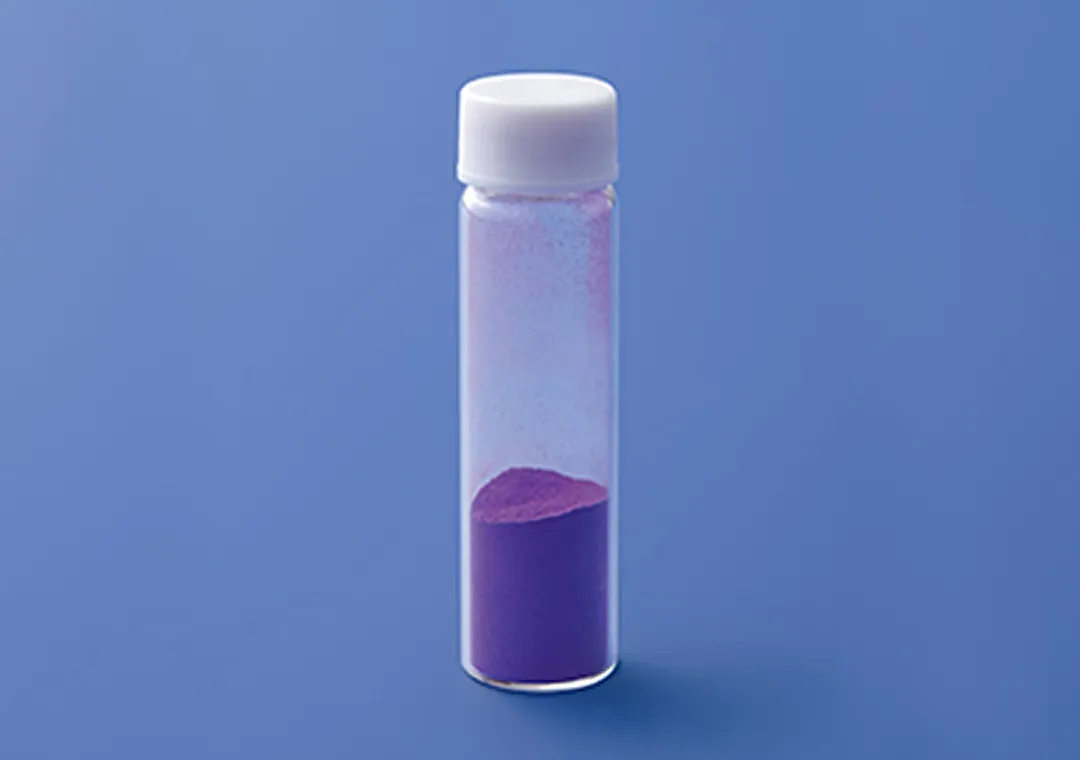
Amorphization and pulverization of lithium borate and lithium phosphate-based materials are also possible.
-
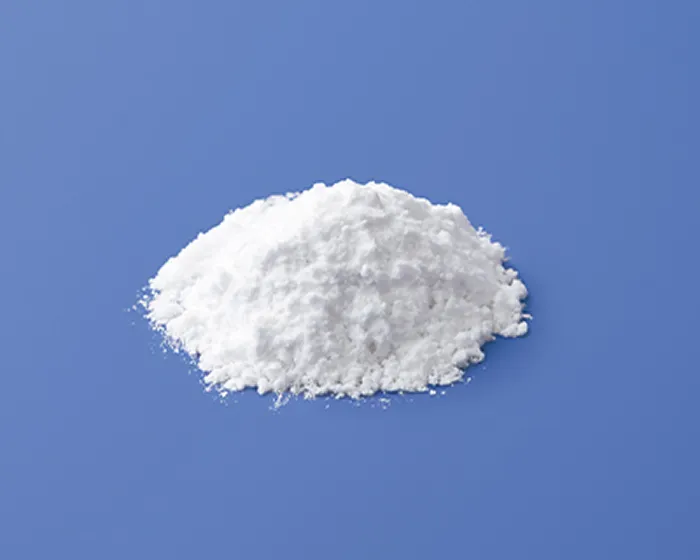
Li₁. ₅Al₀. ₅Ge₁. ₅P₃O₁₂ powder -
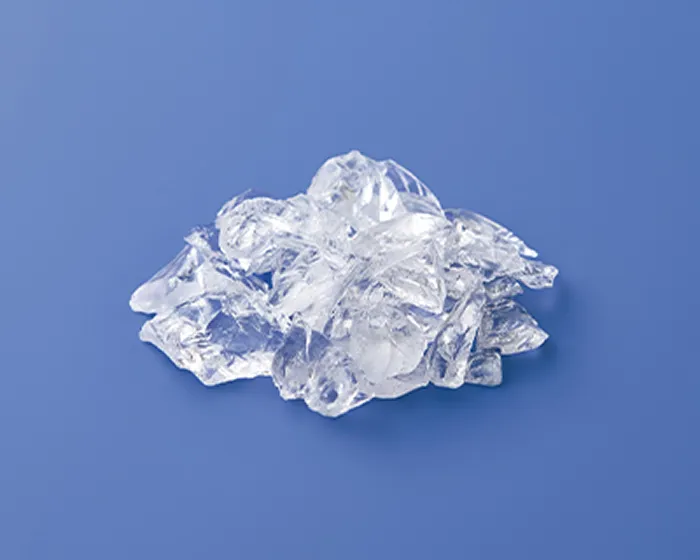
Li₁. ₅Al₀. ₅Ge₁. ₅P₃O₁₂ amorphization -
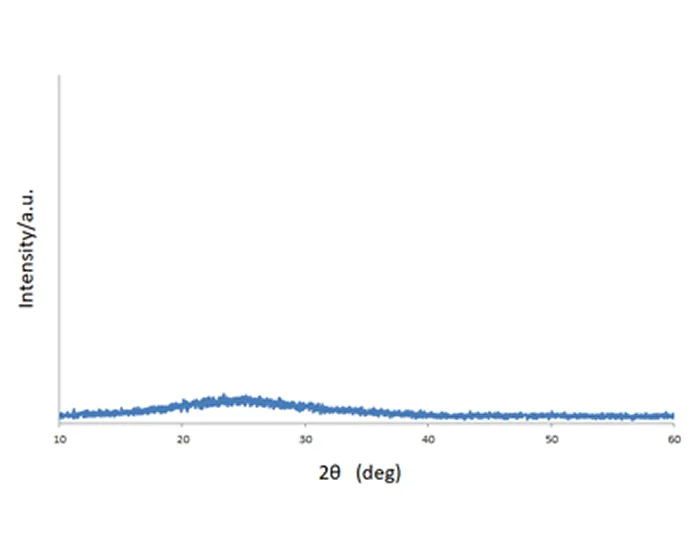
X-ray diffraction chart
SOFC/SOEC materials
We synthesize complex oxides using the organic acid salt method with citric acid and other agents.Compared to solid-state reactions, this method enables uniform dispersion of metal elements and facilitates the production of fine particles. As a result, we have many cases of customized products and contract synthesis, primarily for SOFC*1/SOEC*2-related materials.
*1 SOFC = Solid Oxide Fuel Cell
*2 SOEC = Solid Oxide Electrolysis Cell
| Synthesis Examples |
|---|
| La₀.₆Sr₀.₄Co₀.₂Fe₀.₈O₃ |
| La₀.₆Sr₀.₄CoO₃ |
| La₀.₈Sr₀.₂MnO₃ |
| Sm₀.₅Sr₀.₅CoO₃ |
| PrBa₀.₅Sr₀.₅Co₁.₅Fe₀.₅O₅+δ |
| Ce₀.₈Gd₀.₂O₁.₉ |
| Ce₀.₈Sm₀.₂O₁.₉ |
| La₀.₉Sr₀.₁Ga₀.₈Mg₀.₂O₃ |
| BaZr₀.₈Y₀.₂O₃ |
| BaCe₀.₄Zr₀.₄Y₀.₁Yb₀.₁O₃ |
| La₉.₃₃Si₆O₂₆ |
| La₀.₇Ca₀.₃CrO₃ |
| La₀.₂Sr₀.₈TiO₃ |
-
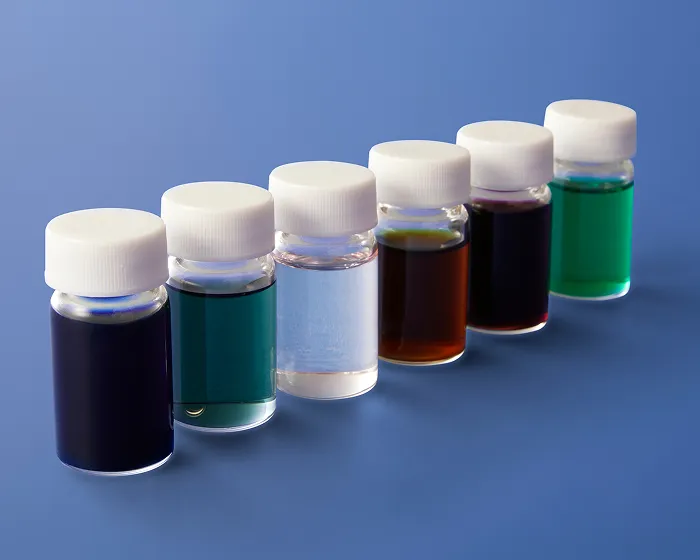
Organic acid aqueous solutions of various metals -
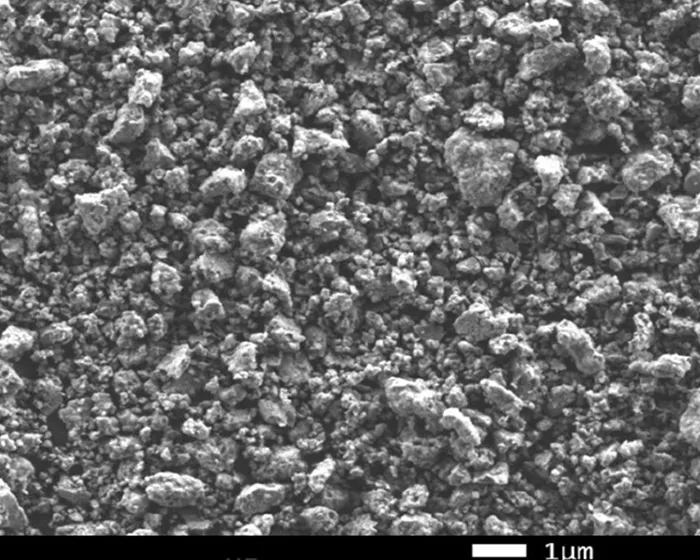
SEM image of fine powder
Magnetic materials
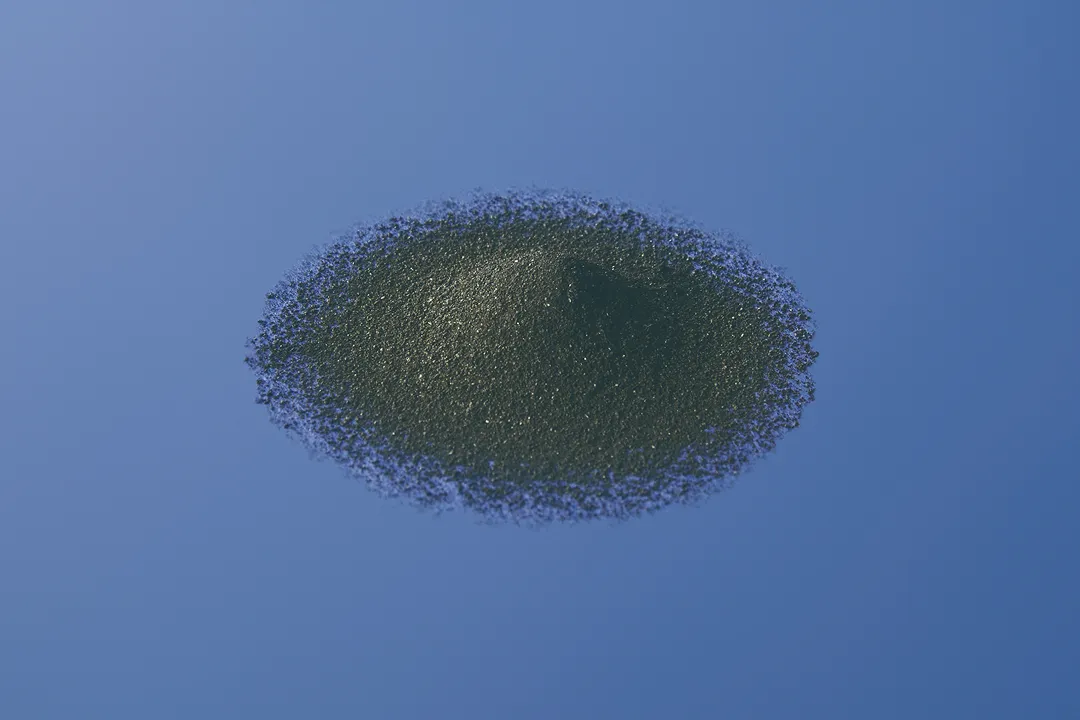
We manufacture various ferrite powders using synthesis technologies such as solid-phase reactions and liquid-phase reactions.
We also accommodate custom product manufacturing. Please contact us.
-
-
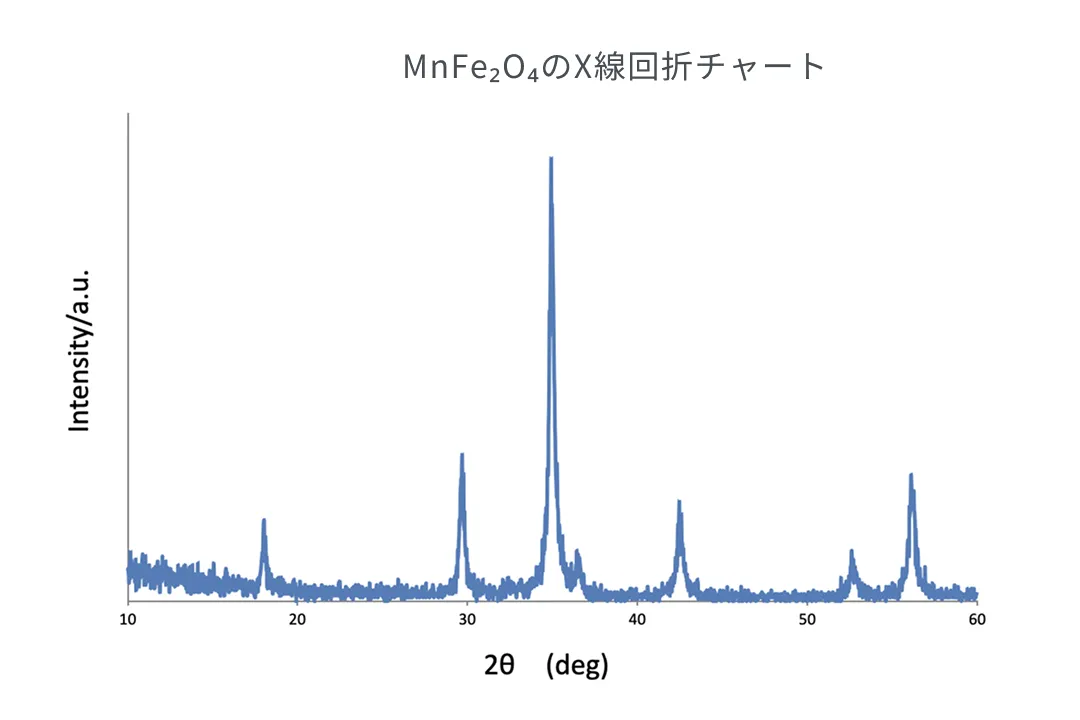
X-ray diffraction chart of MnFe₂O₄
Dielectric materials
We offer a wide range of products, including ferroelectrics such as BaTiO₃ and (Ba, Sr)TiO₃, as well as lead-free piezoelectrics such as NaNbO₃, KNbO₃, (K, Na)NbO₃, and BNT-BT.
We also manufacture custom products including doped materials, whether in powder or target form. We look forward to your inquiries.
Product Examples
| Catalog code | Product Name | Purity |
|---|---|---|
| BAF15PB | BaTiO₃ | 3N |
| BAF12PB | BaZrO₃ | 98% |
| BAF19PB | BaSnO₃ | 3N |
| CAF04PB | CaTiO₃ | 2N |
| NAF49PB | NaNbO₃ | 2N |
| KKF05PB | KNbO₃ | 2Nup |
| KKF08PB | KTaO₃ | 2Nup |
| LIF21PB | LiTaO₃ | 3N |
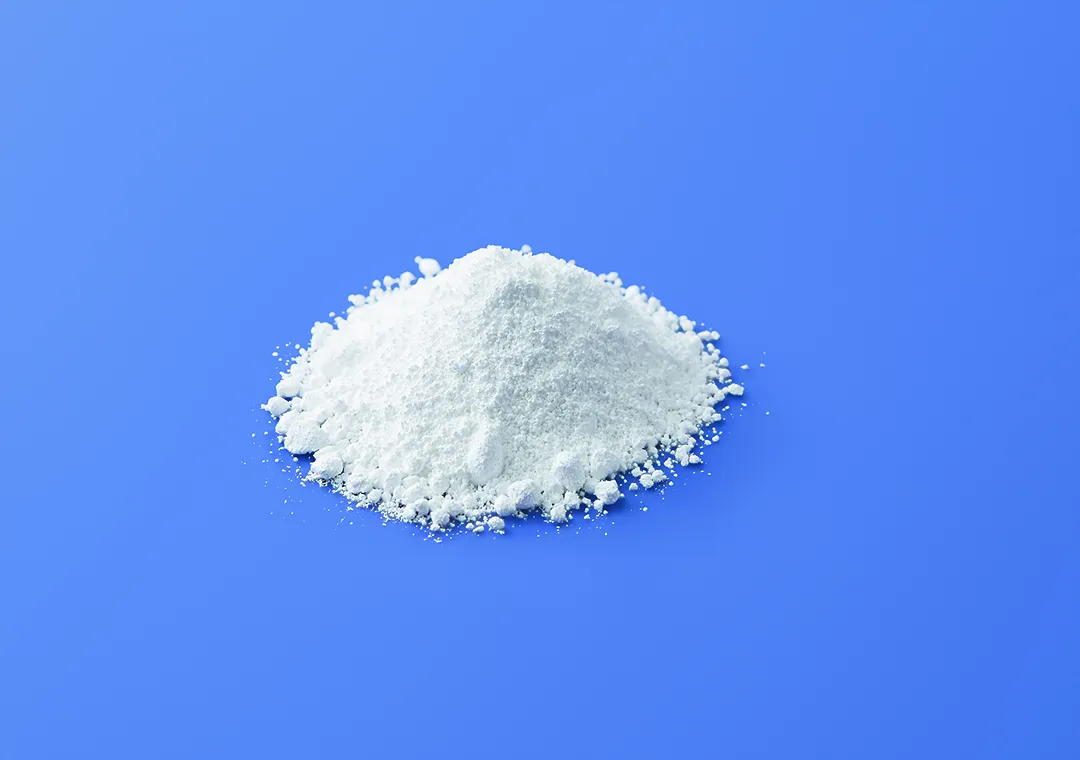
Brookite-type titanium oxide
There are three crystal types of titanium oxide: rutile, anatase, and brookite. Among these, brookite-type titanium oxide is difficult to synthesize and is not commercially available.
Utilizing our inorganic material synthesis technology cultivated over many years, we have successfully synthesized high-purity brookite-type titanium oxide powder.
Unlike conventional anatase-type titanium oxide, brookite-type titanium oxide is expected to find applications in the visible light region.
| Purity | 99.99% |
|---|---|
| Crystallite size | 24nm |
| BET value | 37.8 m²/g |
| BET equivalent diameter | 39nm |
-
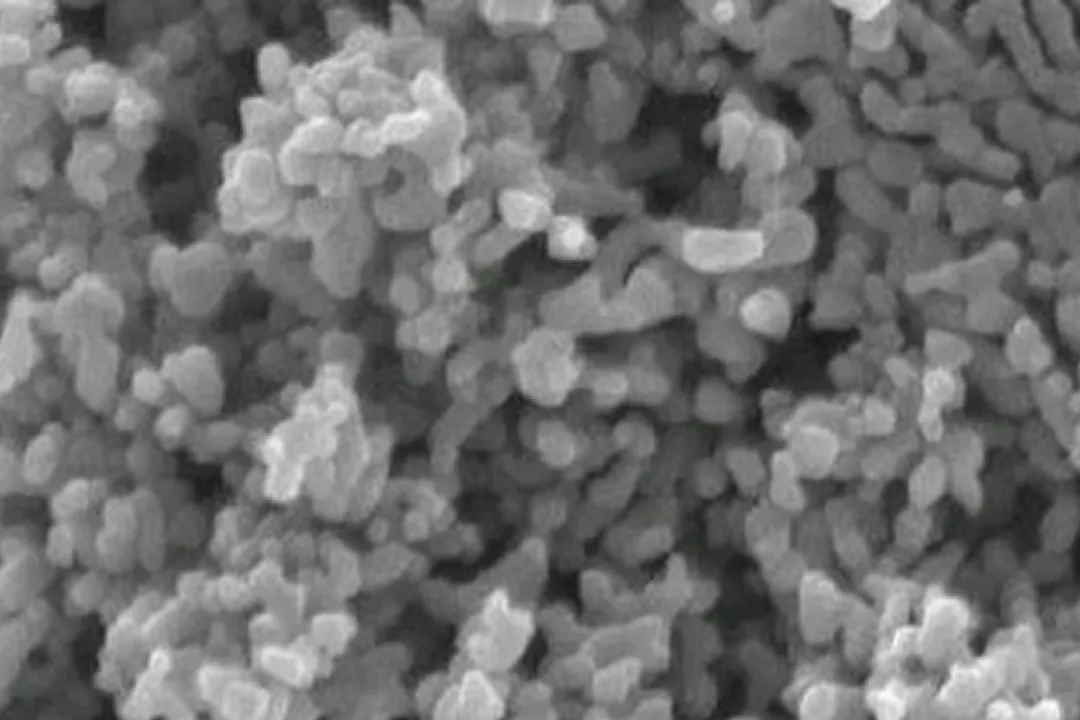
SEM image -
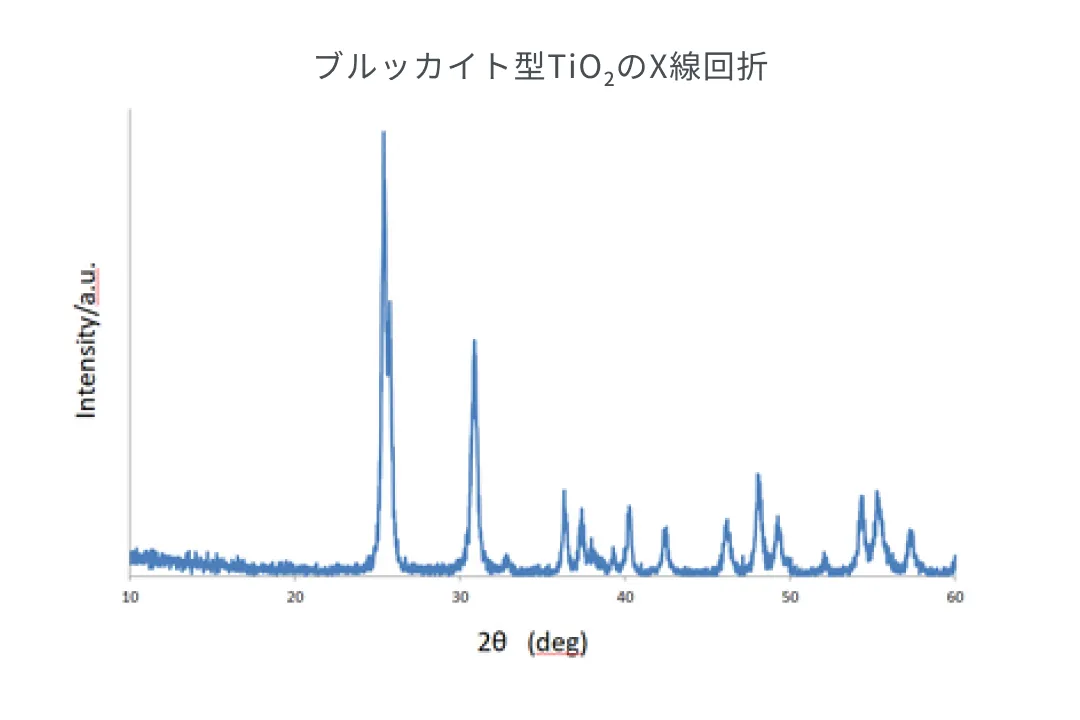
X-ray diffraction of brookite-type TiO₂
Online store hereOpens in a new window.
Smartec® Series
Constant Temperature Retention Materials
This material is a heat storage material that utilizes latent heat from phase changes of substances, allowing the retention temperature to be kept constant and freely selected.
By controlling the ratio of the main component and dopant elements, the retention temperature can be controlled from low temperatures (-30°C) to near high temperatures (200°C).
Standard Product Lineup
| Standard Products | Control temperature | Latent heat |
|---|---|---|
| Smartec HS 10 | Approx. 10℃ | Approx. 31 J/g (130 J/cc) |
| Smartec HS 35 | Approx. 35℃ | Approx. 45J/g (190J/cc) |
| Smartec HS 70 | Approx. 70℃ | Approx. 54J/g (230J/cc) |
| Smartec HS 120 | Approx. 120℃ | Approx. 36J/g (150J/cc) |
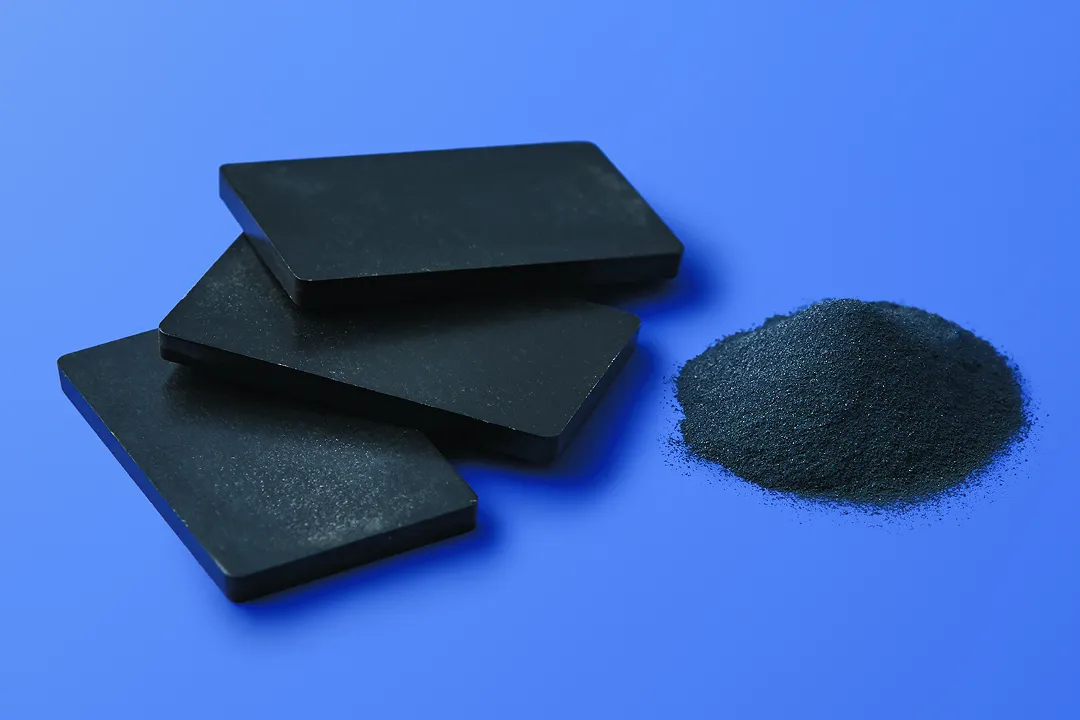
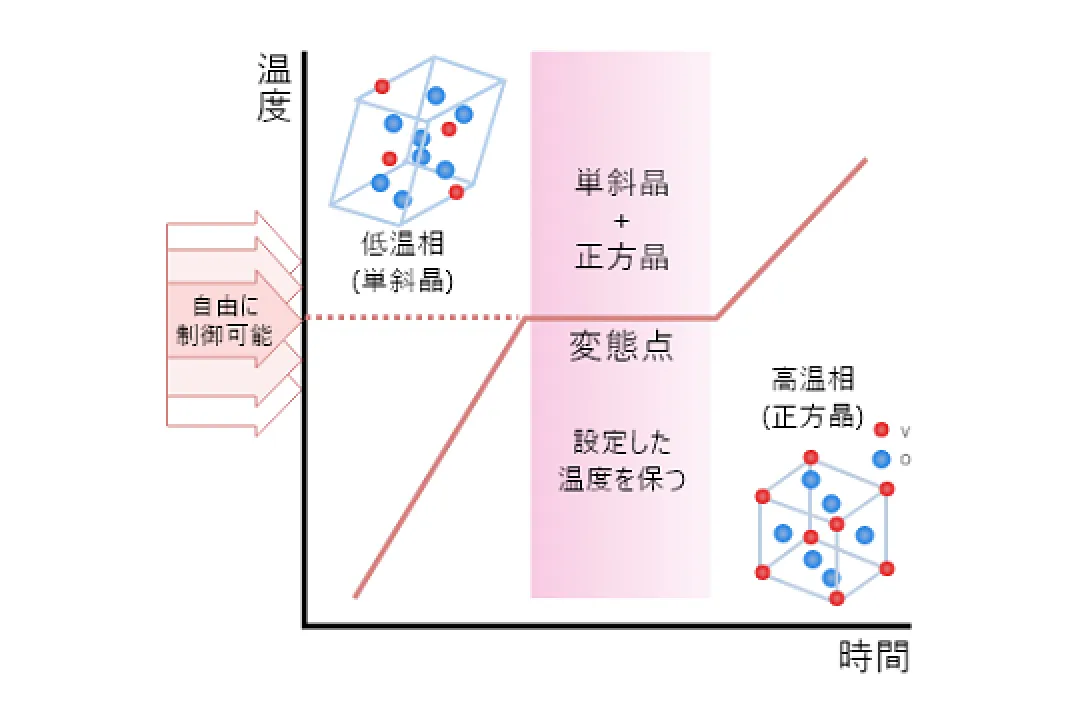
- * Smartec HS is manufactured and sold under a patent licensing agreement with RIKEN.
- * Please contact us at any time regarding other control temperature requirements.
Benefits of This Constant Temperature Retention Material
Compared to conventional heat storage materials
- It is solid and not constrained by container requirements
- It can be processed into various shapes through resin kneading and other methods
- The retention temperature can be freely selected through composition control
- It has high thermal conductivity and excellent thermal response characteristics
- There is no supercooling, and unlike specific heat-based systems, it maintains a constant temperature
- It is non-flammable and has a high heat resistance temperature
Applications are expected in areas where rapid temperature changes are undesirable, such as electronic materials, structural materials for equipment, and transportation materials.